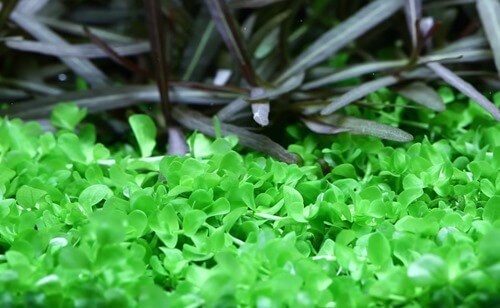
Few sights panic a new plant keeper like this: the plants went in looking lush on Saturday, and by the following weekend the leaves are turning clear, soft and stringy, dissolving like wet tissue. It looks like a disaster. Usually, it is the opposite - your plants are doing exactly what aquarium plants do when they move house.
This guide explains what melting really is, how to tell a normal transition from a plant that is genuinely dying, and the calm, short list of things actually worth doing about it.
What melting actually is (and why it's usually good news)
"Melting" describes leaves that lose their structure and break down in the water: they turn translucent or glassy, soften, develop holes, and eventually disintegrate or drop off. It can affect a few leaves or, in dramatic cases, every leaf the plant arrived with.
Here is the part nobody tells you at the shop: the plant is usually not dying - it is reallocating. A melting plant is abandoning leaves that no longer work in its new environment and putting its stored energy into its crown, rhizome and roots, where the replacement growth comes from. The leaves you bought were never the valuable part of the plant. The base is.
Melt typically starts within the first few days of a change and is most pronounced over the first few weeks. Once you know the mechanism - covered next - the timeline stops being frightening.
Emersed leaves vs submerged leaves: the swap your plant is making
Almost all aquarium plants in shops are grown emersed - with their roots in water but their leaves in humid air. Nurseries grow them this way because it is faster, cheaper, and the plants are algae-free. But an emersed leaf is built for air: it is thick, waxy, and shaped to hold itself up and resist drying out.
Underwater, that design is useless. A submerged leaf needs to be thin and soft so gases and nutrients can pass through it, and it does not need to support its own weight. Rather than remodel the old leaves, most plants simply discard them and grow a new set in the correct form. The new leaves often look different - smaller, rounder or a different shade - which is also normal.
Two exceptions worth knowing:
- Tissue-culture plants (the little gel cups) are grown in a form much closer to submerged life, so they typically melt far less - sometimes not noticeably at all.
- Plants bought from another hobbyist's tank were already grown submerged, so they usually settle with little or no melt.
If you are still planning your plant order, our planted tank setup guide covers planting technique - how you plant on day one affects how rough this transition is.
Crypt melt: the famous special case
Cryptocoryne species melt so reliably that the phenomenon has its own name: crypt melt. A newly planted crypt can shed nearly every leaf within a week or two, leaving what looks like a bare patch of substrate. It is alarming and almost always survivable, because the living part of a crypt is the crown and root system underground, not the leaves.
Crypts are also famously touchy about change itself. An established, thriving crypt can melt after being moved, after a big shift in water parameters, a lighting change, or a sudden change in fertiliser or CO2 routine. The response is the same as for a new plant: it drops the leaves it has and regrows a set tuned to the new conditions.
The rules for crypts are simple. Plant them, then leave them alone. Do not dig a melting crypt up to "check on it" - disturbance restarts the process. Given a stable few weeks, it will almost always send up new leaves.
Which plants melt the most?
Melt risk depends mostly on how the plant was grown and how sensitive the species is:
- Heavy melters: Cryptocoryne (the champion), emersed-grown Amazon swords, many emersed-grown stem plants, Bucephalandra, and potted Monte Carlo, which often sheds much of its nursery growth before carpeting.
- Moderate: Vallisneria may lose some older leaf length; Anubias and Java fern rarely melt wholesale but can yellow and drop individual old emersed leaves.
- Barely melt: Tissue-culture plants of any species, mosses, and anything transferred directly from another aquarium.
When you are choosing replacements or planning a low-melt tank, our homepage plant finder flags the easy beginner species - the ones that tend to shrug off this transition.
Normal melt vs a plant that's actually dying
The whole diagnosis comes down to one question: what does the base of the plant look like? Leaves lie; crowns, rhizomes and stems tell the truth.
| What you see | Normal melt | Actual trouble |
|---|---|---|
| Leaves | Turning translucent and dissolving, oldest or outermost first | Every leaf collapsing at once, including brand-new growth |
| Crown / rhizome | Firm to a gentle touch, pale or green | Black, mushy, or foul-smelling - that tissue has rotted |
| Roots / stem base | White or light-coloured, springy | Brown-black, slimy, disintegrating when touched |
| New growth | Small fresh leaves appearing at the centre within a few weeks | Nothing at all after 4+ weeks, with the base deteriorating |
| Scope | One species adjusting, others fine | Several unrelated species collapsing simultaneously |
For stem plants, pinch the lowest part of the stem: firm and green or white means alive, and new sideshoots will come. For Anubias and Java fern, inspect the rhizome - it should be hard and greenish. A firm base with zero leaves is a living plant having a bad month. A soft, black, smelly base is the one case where removal is the right call.
What to do, step by step
The correct response to melt is mostly restraint, plus a little housekeeping:
- Trim what is fully spent. Once a leaf is translucent and dissolving, it will never recover. Snip it off close to the base so it does not rot in place, but leave any leaf that is still mostly green and firm - it is still feeding the plant.
- Siphon up the debris. Decaying leaves release ammonia as they break down, which stresses everything in the tank. A quick gravel-vacuum pass during your water change keeps on top of it. (This matters most in a young tank - see our guide to the nitrogen cycle for planted tanks.)
- Hold everything else steady. Same light hours, same fertiliser routine, same temperature. Every "fix" you make during a transition is another change the plant has to adjust to.
- Feed the roots of root feeders. A crypt or sword regrowing from its crown benefits from a root tab pushed into the substrate beside it. Our fertilizer guide explains when root feeding beats liquid dosing.
- Do not uproot, move or replant the melting plant. Being planted is the adjustment. Moving it restarts the clock.
- Do not overhaul the tank. No rescue re-scape, no new light, no CO2 system bought in a panic. Melt is a two-to-four-week event; equipment changes are permanent answers to a temporary question.
How long recovery takes
Timelines vary by species, but the consistent advice from retailers and experienced keepers is the same: do not judge a new plant for at least 2-3 weeks, and give slow species longer before writing them off.
- Most plants: first fresh submerged leaves appear within roughly 2-4 weeks of planting.
- Crypts: new shoots typically emerge in 2-4 weeks; a melted patch filling back in takes more like 4-8 weeks. Aquarium Co-Op's advice is to wait at least 3-4 weeks before even considering giving up on a melted crypt.
- Slow rhizome plants: Anubias and Java fern grow slowly even when happy, so judge them by the rhizome's firmness, not by leaf production.
Take a photo the day you plant and another at week three. The comparison settles arguments your memory will lose.
When melt is a warning sign, not a transition
Sometimes melting really is the smoke, not the weather. Investigate promptly if:
- Everything melts at once. Several unrelated species collapsing together points at the water, not the plants: test for ammonia first, especially in a new or recently disturbed tank, and do a partial water change while you work it out.
- The base is black, mushy or foul-smelling. That is rot, not adaptation - remove the dead tissue as described above.
- Melt follows a shock in an established tank. A large temperature swing, a missed-then-huge water change, or a major parameter jump can trigger genuine losses alongside the normal crypt response. Stabilise conditions first; most firm-based plants will still attempt a comeback.
- New growth keeps dying too. Leaves that emerge and immediately dissolve suggest an ongoing problem - most often light far too strong for the available carbon, or a tank that has not finished cycling - rather than transition melt, which by definition ends once the new leaves form.
The pattern to remember: transition melt takes the old leaves and spares the future. Trouble takes everything, including the base and the new growth. Learn to tell those apart and melting stops being the scariest thing in the hobby - it becomes what it really is, the sound of a plant settling in.